
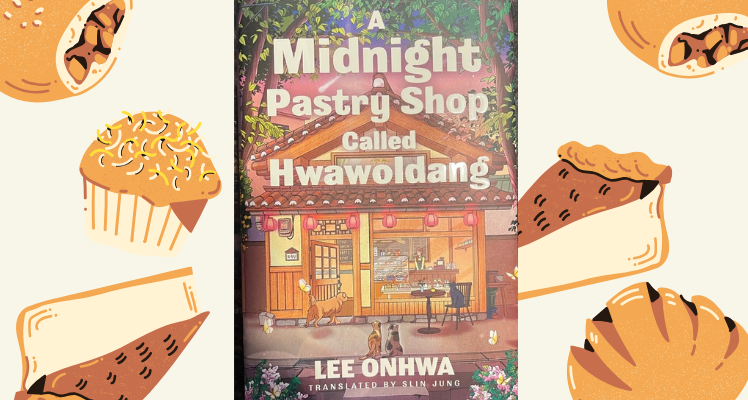
There are some books that don’t ask to be read so much as entered. A Midnight Pastry Shop Called Hawawaldong is one of them—quiet, glowing, and softly magical, like a streetlamp you stumble upon while walking alone at night.
Set in a pastry shop that opens only at midnight, Lee Onhwa weaves together stories of the living and the dead with remarkable tenderness. The shop is a liminal space, a threshold where spirits linger, not out of fear, but out of love. These spirits come searching for unfinished feelings, unresolved conversations, and the people they were unable to say goodbye to. Through pastries infused with memory and emotion, the shop offers them a chance to rest, reflect, and sometimes move on.
What makes this novel especially moving is its gentle treatment of death. Rather than presenting it as something final or frightening, Lee Onhwa frames death as a continuation of longing. The spirits are not lost—they are waiting. Waiting for forgiveness, for understanding, for the right moment when their stories can finally reach a peaceful ending. This idea, that some stories remain incomplete not because they are broken but because they need time, gives the novel its quiet emotional power.
The writing is warm and understated, allowing emotions to surface naturally. There is no rush toward closure; instead, the book lingers in moments of grief, love, and memory, honoring them fully. Each story feels like a small candle lit in the dark—brief, soft, and deeply human. Even when the themes are heavy, the tone remains comforting, as though the book itself is offering solace.
Hawawaldong is also a story about connection: between the living and the dead, between past and present, and between people who may never meet again yet remain bound by love. It reminds us that endings are not always neat, and that sometimes the most meaningful closure comes simply from being remembered.
This is a novel best read slowly, perhaps late at night, when the world is quiet and you are more open to listening. A Midnight Pastry Shop Called Hawawaldong doesn’t demand tears, but it invites them—and in doing so, it leaves you feeling gentler, lighter, and strangely at peace.